

Comparative Analysis: MBBS in Tajikistan vs MBBS in Uzbekistan for Indian Students (2025-2026 Intake)
For Indian students seeking affordable and NMC-recognized MBBS programs abroad, both Tajikistan and Uzbekistan emerge as viable Central Asian destinations. These nations offer English-medium instruction, low tuition fees, and curricula aligned with global standards, making them attractive alternatives to high-cost options in India or elsewhere. Currently, there are over 5,000 students Uzbekistan and approximately 2000 students studying MBBS from Tajikistan, who are enrolled in the various medical courses in different Uzbek and Tajik medical universities. Boson Meditech MBBS Abroad Consultants have been consisted and official admission partners of the top medical universities in both the countries. Hence, we are genuine MBBS abroad consultants who promise you to get hassle free and direct admissions in MBBS programs at nominal cost.
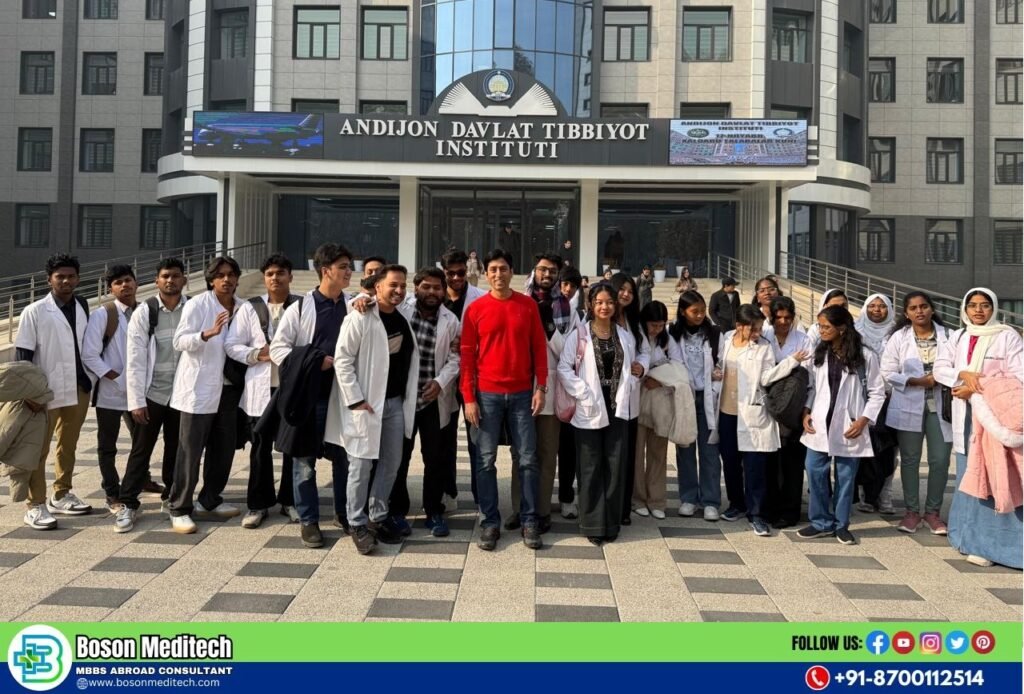
This analysis compares key parameters, including eligibility, fees, program structure, recognition, infrastructure, living conditions, and career prospects. Data is derived from official university sources, NMC guidelines, and recent educational reports from our students studying in these 2 countries. While similarities abound (e.g., both emphasize practical training and WHO compliance), differences in university ecosystems and student support may influence your choice.
Key Comparison Table of MBBS in Uzbekistan Vs Tajikistan for Indian Students
| Parameter | MBBS in Tajikistan | MBBS in Uzbekistan |
| Top Universities | Tajik National University, Avicenna Tajik State Medical University (ATSMU), Khatlon State Medical University (KSMU), MSIT | Tashkent Medical Academy (TMA), Andijan State Medical University, Fergana Medical Institute of Public Health, Samarkand State Medical University, Bukhara State Medical Institute (BSMI), |
| Eligibility Criteria | NEET-UG qualified, 50% aggregate in PCB (40% for reserved), Minimum age: 17 years – No IELTS/TOEFL required | NEET-UG qualified, 50% aggregate in PCB (40% for reserved), Minimum age: 17 years – No IELTS/TOEFL required |
| Entrance Exam | None | None |
| Admission Intake | September-October Intake and few have winter January Intake | September-October Intake and few have winter January Intake |
| Course Duration | 6 years (5 years academic + 1-year internship) | 6 years (5 years academic + 1-year internship) |
| Medium of Instruction | English for course subjects and Tajik language study for clinical interactions | English medium for course subjects and Uzbek language study for clinical interactions |
| Tuition Fees (Annual, USD) | $3,000–$5,000 (Total: $18,000–$30,000 or
INR 15–25 lakh) |
$3,500–$3,800 (Total: $21,000–$23,000 or
INR 15–20 lakh) |
| Hostel | Hostel: $500–$700 | Hostel: $600–$800 |
| Living Costs | Living (food/transport): $1,200–$1,800
Total monthly: $200–$300 |
Living: $1,000–$1,500
Total monthly: $250–$350 |
| Recognition & Accreditations | WHO, ECFMG (USA), WFME, FAIMER, GMC, AMC (Check for individual universities) | WHO, ECFMG (USA), WFME, FAIMER, GMC, AMC (Check for individual universities) |
| FMGE Pass Rate (Recent Average) | 15-20% (Improving with dedicated preparation; lower due to fewer Indian candidates) | 20–35% (Stronger support; more established Indian alumni networks) |
| Infrastructure & Facilities | Universities have modern labs and affiliated hospitals in urban centers – Emphasis on research in endemic diseases – Smaller class sizes (12-15 students) | There are advanced simulation centers and multi-specialty hospitals, digital resources, Group classes with 15-16 students batches |
| Safety & Lifestyle | – High safety (low crime); serene, mountainous environment – Limited Indian diaspora; basic amenities in Dushanbe. Harsh winters yet vegetarian food available | – Moderate safety (safer than average in region); vibrant urban life in Tashkent – Larger Indian community (e.g., desi eateries) – Milder climate; diverse cultural events |
| Pros for Indian Students | – Lowest overall costs; no capitation fees – Peaceful study environment; strong faculty-student ratio – Emerging partnerships. Tajik national University is no 1 Ranked college for MBBS in Tajikistan | -More university options; higher FMGE success – Better connectivity (direct flights from Delhi) – Robust post-graduation support and internships |
| Cons for Indian Students | – Fewer universities; limited clinical exposure in rural areas – Smaller Indian student base (fewer peer networks) – Lower FMGE rates requiring extra prep | – Slightly higher fees; increasing competition – Occasional language barriers in non-urban hostels – Crowded urban campuses |
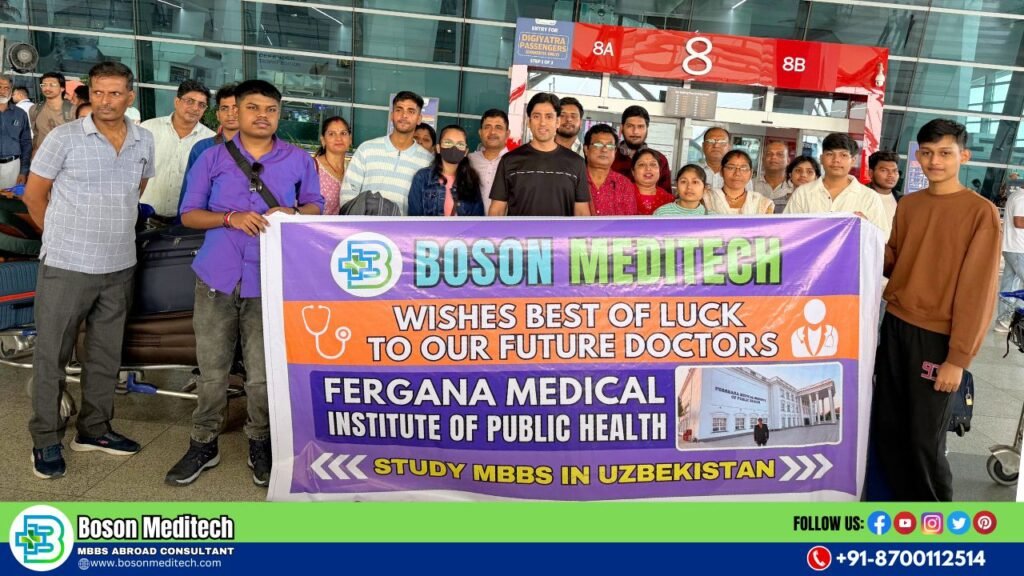
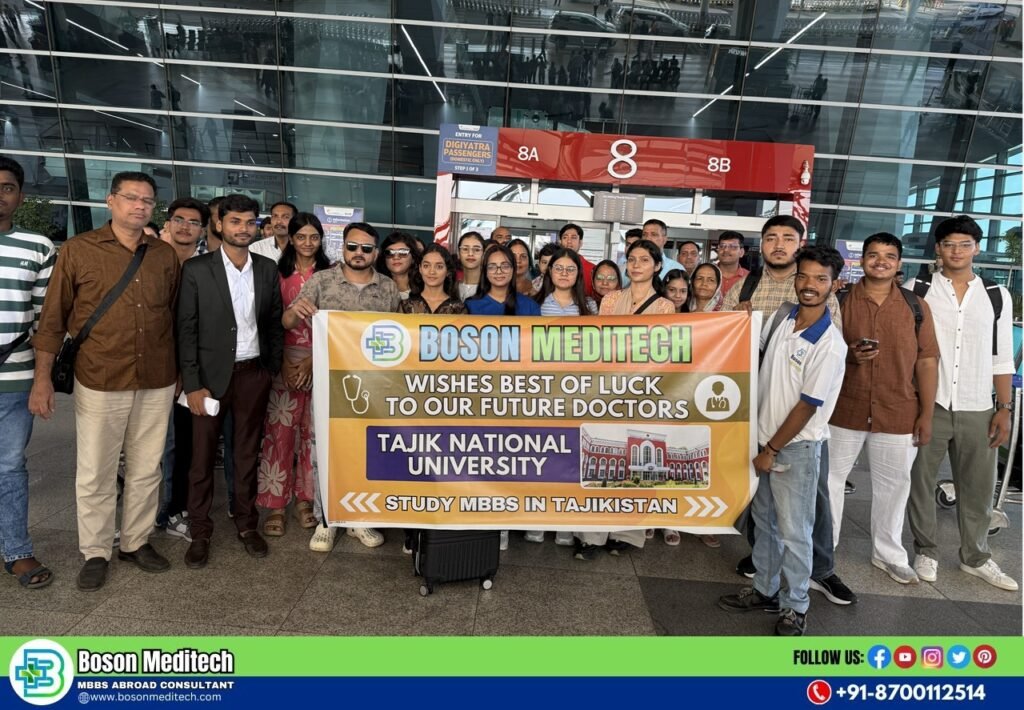
Affordability and Fees
Both destinations prioritize accessibility for middle-class Indian families, with total MBBS costs under INR 25 lakh—far below India’s private colleges (INR 50–100 lakh). Tajikistan edges out with potentially lower tuition (as low as $3,000/year at KSMU), making it ideal for budget-conscious students. Uzbekistan’s fees are marginally higher but often include enhanced hostel perks like AC rooms. Living expenses are comparable, though Uzbekistan’s urban centers like Tashkent offer more affordable Indian groceries and messes (INR 8,000–10,000/month). No donations or hidden charges apply in either, per NMC regulations.
Academic Structure and Quality
The curricula in both countries follow WHO guidelines, spanning foundational sciences (Years 1–3), clinical rotations (Years 4–5), and a compulsory internship. English-medium delivery ensures no language hurdles for Indians, with practical training in affiliated hospitals emphasizing skills like diagnostics and surgery. MBBS in Uzbekistan benefits from a more developed ecosystem, with universities like TMA, FMIPH, ASMU, boasting international collaborations (e.g., with WHO for public health modules). if you have queries or doubts then your MBBS abroad admissions expert like Boson Meditech can help you.
Recognition and Career Pathways
Degrees from NMC-approved universities in both nations qualify Indian graduates for the FMGE, enabling practice in India post-clearance. Global accreditations (WHO, ECFMG) open doors to USMLE/PLAB for postgraduate pursuits. Uzbekistan holds a slight advantage in FMGE outcomes, attributed to larger Indian cohorts and preparatory resources, which is essential for the 20–30% pass rate benchmark. Tajik graduates, though facing lower rates, succeed through targeted coaching, with many securing residencies in Indian states like Maharashtra or Kerala.
Student Life and Support
Safety is paramount for Indian parents: Tajikistan’s tranquil, low-crime setting suits focused studies, though its smaller diaspora means relying on university Indian cells for festivals like Diwali. Uzbekistan’s cosmopolitan vibe, bolstered by 5,000+ Indian students, provides cultural familiarity—think Holi events at ASMU. Both offer visa ease, but Uzbekistan’s direct Air Astana flights from India reduce travel hassles.
Why Choose Boson Meditech?
Proven Track Record: With successful MBBS abroad admissions for Indian students, with testimonials highlighting nominal processing fees and accurate procedural information. Students praise the consultancy for its role in hassle-free admission in the popular countries.
Official University Partnerships: Direct tie-ups with leading medical universities in Tajikistan and institutions ensure priority access, authenticity, and zero middlemen involvement.
No Hidden Charges: We adhere with no hidden charges and there are no extra fees.
Located Near the IGI Airport: Located in Delhi (Saket, A-96, 2nd Floor) we are near the International airport hence, easy access for Out of Delhi Students.
Nominal Charges: We have nominal charges which are less that the other popular consultancies therefore you can save around 1-1.5 lakhs on consultancy fees as compared with the other medical study abroad consultants.
For detailed consultations, reach Boson Meditech at +91-8700112514 or visit their official website at bosonmeditech.com. They also maintain an active YouTube channel for the MBBS Abroad updates and videos of various universities and their hostel and fee structures. There, we also publish about the low-budget MBBS courses in different countries where the students can save money.
Cost of Living for Indian MBBS Students in Tajikistan vs. Uzbekistan (2025-2026)
For Indian students pursuing MBBS, the cost of living in both Tajikistan and Uzbekistan remains notably low, contributing to their appeal as budget-friendly Central Asian destinations. Based on 2025 data our student testimonials, and economic reports, monthly expenses typically range from INR 8,000–33,000, excluding tuition. Uzbekistan offers slightly higher costs due to urban amenities in cities like Tashkent, while Tajikistan provides a more economical option in serene settings like Dushanbe. Currency conversions assume USD 1 ≈ INR 87 and TJS 1 ≈ INR 7.5 (Tajikistan); UZS 1 ≈ INR 0.0067 (Uzbekistan). Rates may change.
The table below breaks down key expense categories for a typical Indian MBBS student (shared hostel, moderate lifestyle with Indian food preferences).
| Expense Category | Tajikistan (Monthly, INR) | Uzbekistan (Monthly, INR) | Key Notes |
| Hostel Accommodation | 4,000–5,500 (USD 50–70; shared room with utilities) | 5,000–6,700 (USD 60–80; university dorms with AC options) | Both provide secure, gender-segregated hostels; Tajikistan’s are more basic but cheaper. Mandatory for first-year students. |
| Food (Indian Mess) | 6,000–8,000 (USD 70–95; vegetarian/non-veg thalis) | 5,500–7,500 (USD 65–90; campus messes with desi options) | Indian cuisine widely available; Uzbekistan has more variety in urban areas, but both keep costs low via bulk university plans. |
| Local Transportation | 1,000–1,500 (USD 12–18; buses/taxis) | 1,200–1,800 (USD 15–22; metro in Tashkent) | Affordable public transit; occasional taxis for hospital rotations add minimal expense. |
| Utilities & Internet | 800–1,200 (USD 10–15; included in hostel often) | 1,000–1,500 (USD 12–18; Wi-Fi in dorms) | High-speed internet for studies; Tajikistan edges out on bundling. |
| Books & Study Materials | 1,000–2,000 (USD 12–24; digital resources subsidized) | 1,200–2,500 (USD 15–30; lab fees included) | Shared costs via university libraries; e-books reduce outlay. |
| Medical Insurance | 500–800 (USD 6–10; annual prorated) | 600–1,000 (USD 7–12; mandatory coverage) | University-mandated; covers basic health needs. |
| Personal/Misc. (Leisure, Phone) | 1,500–3,000 (USD 18–36; local SIMs cheap) | 2,000–3,500 (USD 24–42; outings in cities) | Includes laundry, entertainment; Uzbekistan’s urban vibe may increase discretionary spending. |
Recommendations
- Choose Tajikistan if: You prioritize minimal costs, a serene environment, and personalized attention in smaller cohorts. Ideal for students from rural India seeking a low-pressure start.
- Choose Uzbekistan if: You value diverse options, stronger peer networks, and higher employability metrics. Suited for urban aspirants eyeing quick FMGE clearance.
Prospective students should verify 2025 intakes via official portals (e.g., atsmuedu.tj for Tajikistan; tma.uz for Uzbekistan) and consult NMC-approved agents. Early NEET preparation remains crucial, as both require valid scores for eligibility. For personalized guidance, reach out to certified consultants like Boson Meditech to align with your academic profile and financial plans.
Frequently Asked Questions
Which country is best for MBBS for Indian students?
Top destinations in 2025 include Russia, Tajikistan, Kazakhstan, Georgia, and the Philippines. Among Central Asian nations, Tajikistan stand out due to NMC guideline fulfilled universities, affordable fees, and English-medium instruction.
Is MBBS from Tajikistan good?
Yes. MBBS from Tajikistan is considered a reliable and affordable option for Indian students. Universities such as Tajik National University, and Avicenna Tajik State Medical University are recognized by WHO, NMC, FAIMER, and ECFMG, ensuring global validity and eligibility for licensing exams like FMGE or NEXT in India.
Is Tajikistan safe for Indian students?
Yes. Tajikistan is generally safe and friendly toward Indian nationals, as confirmed by the Indian Embassy in Dushanbe. Normal safety precautions are advised, but university hostels provide 24/7 security and CCTV monitoring.
Which medical university is number 1 in Tajikistan?
The Tajik national University (TNU) is ranked #1 for Medicine in the country.
What is the salary of an MBBS doctor in Uzbekistan per month?
According to WorldSalaries (2025), doctors in Uzbekistan earn an average of 36–40 million UZS per year, which equals around $340–$380 per month depending on specialization and experience.
Is Uzbekistan safe for Indian students?
Yes. The Embassy of India in Tashkent confirms that Uzbekistan is safe, friendly, and welcoming toward Indians. However, students should still follow basic safety measures while traveling or staying off-campus.
Which country is better for MBBS: Kazakhstan or Uzbekistan?
Kazakhstan offers more advanced clinical infrastructure and English-medium teaching in most universities. Uzbekistan is slightly cheaper but has limited English exposure and fewer globally ranked institutions.
How many Indian students are in Tajikistan?
As per official data (Sansad Report, 2024), approximately 1,200–1,350 Indian students are currently studying in Tajikistan, mostly in medical universities.
How much does MBBS cost in Tajikistan?
The average cost is $4,000–$4,500 per year. The total package (including tuition, hostel, food, visa, and other formalities) comes to about ₹34–36 lakhs for the entire 6-year MBBS program.
Which is better for MBBS: Russia or Uzbekistan?
Russia offers a stronger academic reputation and global ranking, but Uzbekistan is more affordable. For long-term career prospects, Russia generally holds an advantage due to better international exposure and hospital training.
Is Tajikistan friendly with India?
Yes. India and Tajikistan share a strong diplomatic and cultural relationship. India has provided medical and educational cooperation programs, and Indian students are warmly received in Tajik universities.
Is English taught in Tajikistan?
Yes. In medical universities like KSMU, classes are conducted in English for international students, while Tajiki and Russian are used during clinical interactions.
Is MBBS from Tajikistan valid in India?
Yes. MBBS degrees from NMC-approved universities in Tajikistan are valid in India. Graduates are eligible to take the FMGE/NEXT for practicing medicine in India.
Are there Hindus in Tajikistan?
Yes, but the community is very small — mainly Indian expatriates and students. Tajikistan is predominantly Muslim, but religious tolerance is maintained.
What are the top 3 safest countries (for students)?
According to the Global Peace Index 2025, the top three safest nations are Iceland, Denmark, and Ireland.
Is Tajikistan safe for girls?
Yes. University hostels and campuses maintain strict safety regulations, separate accommodation, and round-the-clock security for female students.
Is Uzbekistan safe for Indian girls?
Yes. Uzbekistan is regarded as safe for female students, with separate hostels, strict curfews, and supportive university administration.
Is Tajikistan poor or rich?
Tajikistan is a developing country with a modest economy largely dependent on agriculture and remittances. However, it offers low living costs and affordable higher education, making it attractive for foreign students.